Why Those Tiny Dots on Your Nose Are Completely Normal
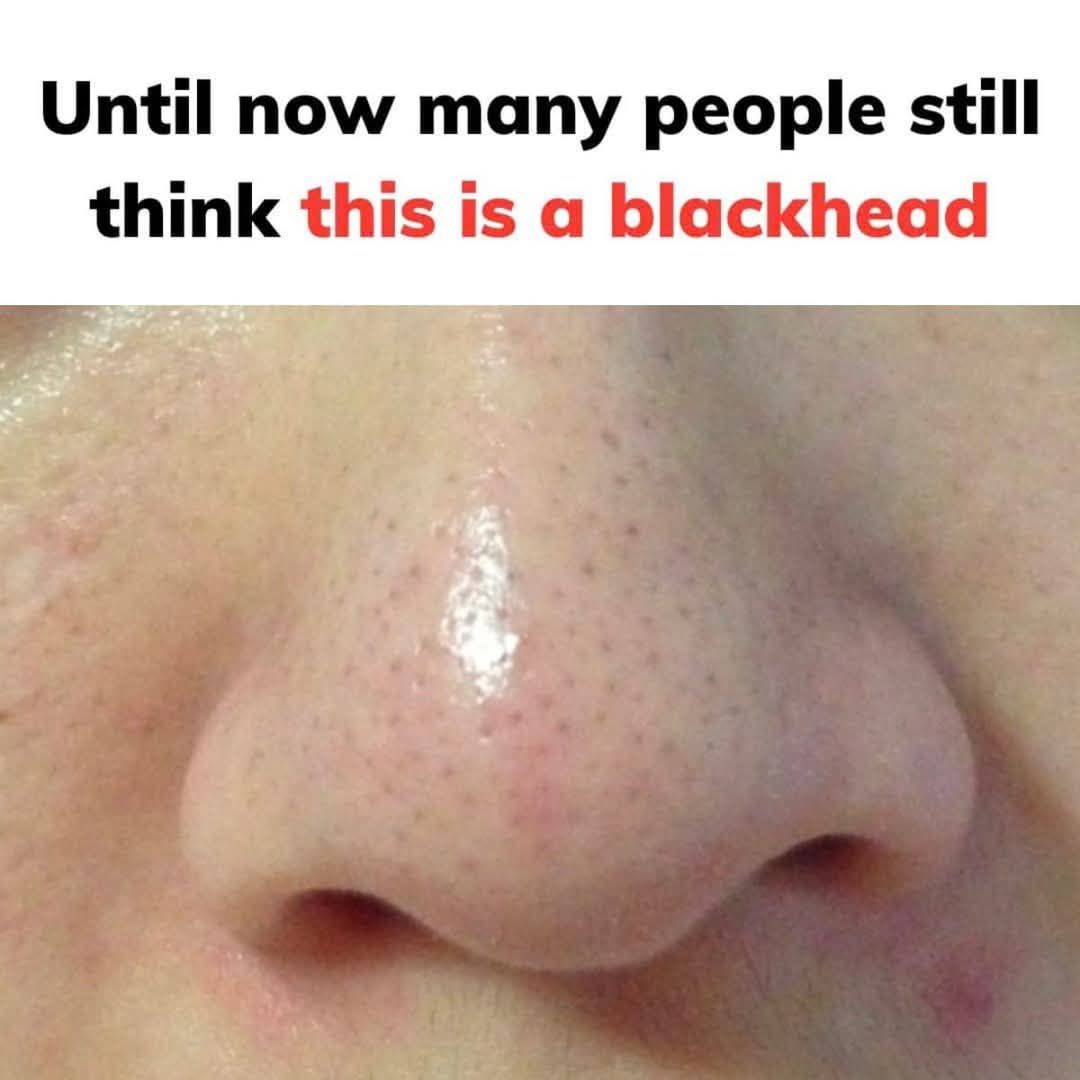
In today’s beauty-obsessed world, where smooth, poreless skin is often portrayed as the ideal, it’s easy to mistake normal skin features for flaws. One of the most misunderstood examples? Sebaceous filaments.
They’re frequently confused with blackheads, but here’s the truth — they’re not the enemy. In fact, sebaceous filaments play a crucial role in keeping your skin healthy, balanced, and protected.
What Exactly Are Sebaceous Filaments?
If you’ve ever noticed tiny dots across your nose, forehead, chin, or cheeks, you might have assumed they were clogged pores. But look a little closer — they’re likely sebaceous filaments.
These are tiny, tube-like structures inside your pores that help guide natural oils (sebum) from your sebaceous glands to the skin’s surface. And no, they’re not meant to be squeezed out.
“Sebaceous filaments may resemble blackheads, but they’re generally lighter in color—gray or tan—and serve a key function,” explains Dr. Dendy Engelman, a board-certified dermatologist in New York City. “They help transport oil to the surface, keeping your complexion hydrated and protected.”
Sebaceous Filaments vs. Blackheads: What’s the Difference?
At first glance, the two can look similar, but dermatologists stress that they’re completely different.
“Pimples, including whiteheads and blackheads, result from bacteria or fungus and usually form raised bumps,” says Dr. Purvisha Patel, another board-certified dermatologist. “Sebaceous filaments, however, are simply made of oil and keratin. They’re harmless and completely natural.”
So while blackheads indicate a clogged pore, sebaceous filaments are just part of your skin’s normal structure. Everyone has them — and that’s perfectly okay.
Who Has Sebaceous Filaments? Pretty Much Everyone
Sebaceous filaments are universal, but they can be more noticeable for some people. Genetics, age, and skin type all play a role.
- If you have oilier skin or larger pores, you may see them more clearly.
- During puberty, they can become more pronounced due to hormonal changes.
- As you age, skin elasticity decreases, making pores and filaments appear larger.
The Cleveland Clinic notes that over-cleansing or excessive sun exposure can also dry out your skin. When that happens, your sebaceous glands produce even more oil — which can make filaments look darker or more visible.
Should You Remove Them? Experts Say No
If you’ve ever watched a “pore extraction” video online, you might’ve felt tempted to squeeze them out yourself. But dermatologists unanimously warn against it.
Sebaceous filaments are essential for lubricating your skin, and even if you remove them, they’ll refill within a few weeks as your skin continues to produce oil.
Instead, focus on reducing their appearance rather than removing them entirely.
Try:
- Gentle, non-stripping cleansers
- Exfoliating acids like salicylic acid or AHAs
- Clay masks to absorb excess oil
The Risk of Picking or Over-Extracting
Applying too much pressure to your pores can easily damage your skin barrier.
“Forceful extraction can lead to scabbing, infection, or even long-term scarring,” warns Dr. Joshua Zeichner, a New York-based dermatologist.
Other risks include inflammation, hyperpigmentation, and even new breakouts — exactly what you were trying to avoid.
The Truth About “Skin Gritting”
You may have seen the viral skincare trend called skin gritting, which claims to purge sebaceous filaments using layers of oils, acids, and clay masks. While it may look effective, dermatologists remain skeptical.
“While the combination can help remove surface buildup, most of what you’re extracting is just leftover product,” says Dr. Engelman. “Over time, this aggressive routine can actually make pores appear larger and skin look looser.”
How to Care for Skin with Sebaceous Filaments
The goal isn’t to erase your filaments — it’s to keep them balanced and less noticeable. Healthy skin will always have texture.
Here’s how to care for it properly:
✅ Use exfoliating ingredients like AHAs, retinol, salicylic acid, sulfur, or vitamin E.
✅ Apply oil-absorbing masks or clays weekly.
✅ Avoid pore-clogging ingredients such as petroleum, shea butter, coconut oil, or certain essential oils like tea tree.
✅ Keep your routine simple and consistent — overloading your skin can do more harm than good.
The Bottom Line
Sebaceous filaments aren’t imperfections — they’re a sign that your skin is functioning as it should. Rather than trying to eliminate them, focus on keeping your pores clean, your skin hydrated, and your barrier healthy.
Perfection isn’t the goal — balance is.