8. Structural Nose Issues That Make Winter Drip Worse
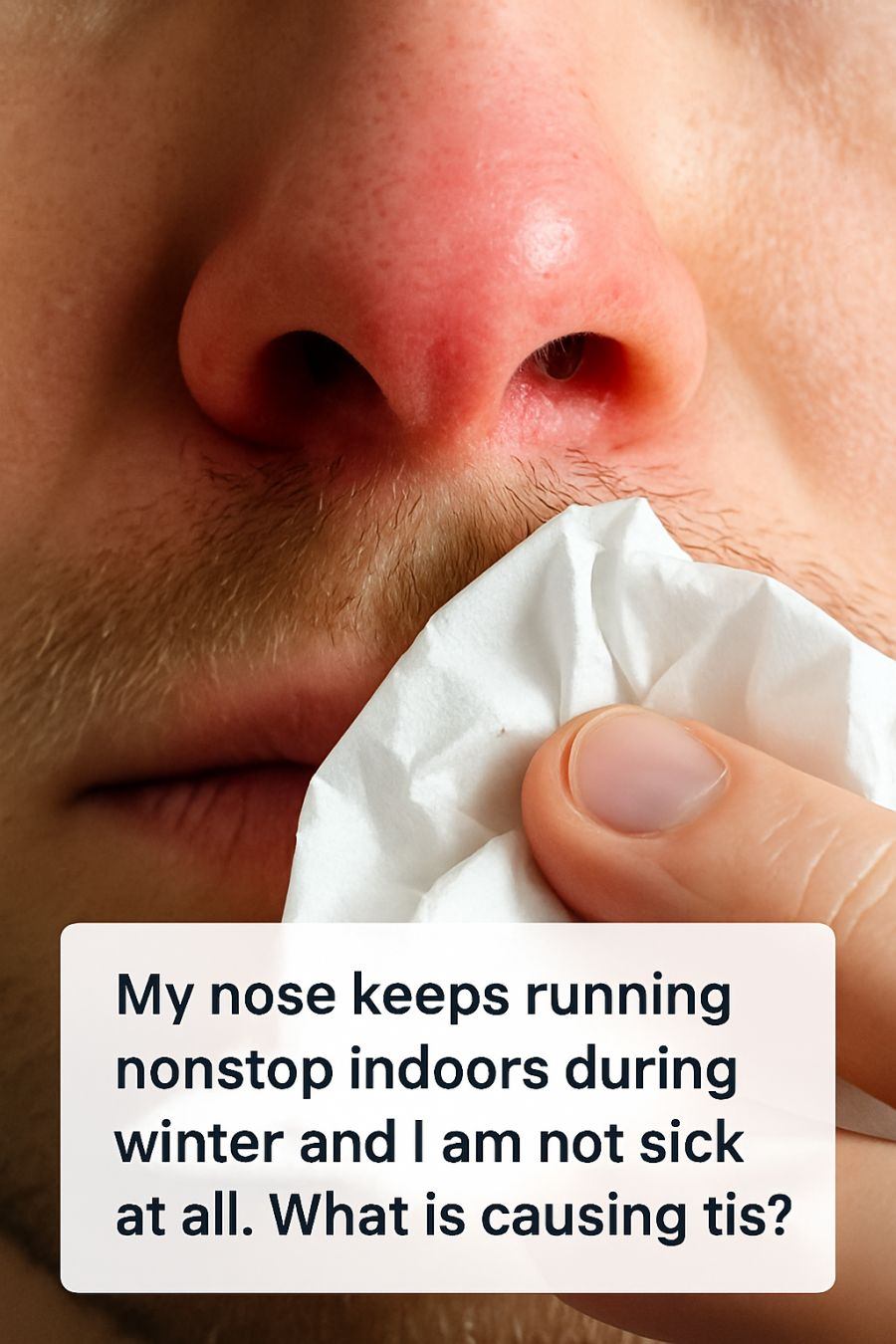
Certain structural abnormalities in the nasal passages, such as a deviated septum or nasal polyps, can exacerbate the symptoms of a runny nose in winter. These conditions can obstruct normal airflow and drainage, leading to congestion and increased mucus production.
If structural issues are suspected, consulting with an ENT specialist can provide more insight and potential treatment options to alleviate symptoms.
9. Common Medications And Hormonal Changes That Can Make Your Nose Run
Some medications, particularly those used for managing blood pressure, anxiety, or hormonal changes, can cause side effects like a runny nose. In winter, these effects may be more pronounced due to the other environmental factors at play.
Reviewing your medications with a healthcare provider can help determine if they might be contributing to your symptoms and if alternative treatments are available.
10. Popular TikTok And Viral Hacks: What Actually Helps And What To Skip
Social media platforms are filled with quick fixes and hacks for managing a runny nose, from using essential oils to placing onions around the home. While some of these tips may offer temporary relief, others lack scientific backing and could potentially cause more harm than good.
It’s important to approach such hacks critically and rely on evidence-based methods as the primary means of managing symptoms.
11. Evidence-Based Ways To Calm Vasomotor Rhinitis At Home
Managing vasomotor rhinitis at home involves minimizing triggers and maintaining a comfortable indoor environment. Using a humidifier to ensure adequate moisture in the air, avoiding known irritants, and employing saline nasal sprays can help keep symptoms under control.
Additionally, practicing stress-reduction techniques such as yoga or meditation may help modulate the nervous system’s response, reducing the frequency and severity of symptoms.
12. When A Constant Winter Drip Means You Should See A Specialist
If a runny nose persists despite home management efforts, or if it is accompanied by other concerning symptoms such as facial pain or frequent sinus infections, it may be time to consult a specialist. An ENT can conduct a thorough examination, possibly including imaging or allergy testing, to identify underlying causes and recommend appropriate treatment.
Early intervention can prevent complications and improve quality of life, particularly during the challenging winter months.